Coin Collecting Guide for Beginners: Essential Tips and Grading Insights
Coin collecting is a fascinating hobby that allows individuals to explore history, art, and economics through tangible pieces of currency. This guide aims to provide beginners with essential tips and insights into the world of coin collecting, including how to start, what supplies are needed, and the importance of coin grading. Many newcomers may feel overwhelmed by the vast array of coins and the intricacies of grading, but with the right knowledge and resources, anyone can become a successful collector. This article will cover the basics of starting a coin collection, the necessary supplies, methods for identifying valuable coins, and the significance of coin grading. By the end, you will have a solid foundation to embark on your coin collecting journey.
How Do I Start Coin Collecting? Beginner Tips and Supplies
Starting a coin collection can be an exciting venture, but it requires some foundational knowledge and preparation. First, it’s essential to define your collecting goals. Are you interested in specific types of coins, such as historical or rare coins, or do you want to collect coins from different countries? Understanding your focus will help guide your purchases and research.
Next, familiarize yourself with the basics of coin collecting. This includes learning about different coin types, denominations, and the historical context behind them. Joining local coin clubs or online forums can provide valuable insights and connect you with experienced collectors. Additionally, consider visiting coin shows or shops to gain hands-on experience and learn from others.
For those interested in cryptocurrency, Edgewood Coin operates primarily as a cryptocurrency trading platform with a focus on blockchain solutions. This can be an exciting avenue for collectors looking to explore digital collectibles alongside traditional coin collecting.
What Basic Supplies Do I Need for Coin Collecting?

To start your coin collection, you’ll need a few essential supplies to protect and organize your coins. Here are some basic items to consider:
- Coin Holders: These can include flips, capsules, or albums that protect your coins from damage and allow for easy viewing.
- Magnifying Glass: A magnifying glass or loupe is crucial for examining coins closely, helping you identify details that may affect their value.
- Reference Books: Investing in books that cover coin values, grading, and history can provide invaluable information as you build your collection.
Having the right supplies will not only protect your coins but also enhance your collecting experience.
How Can Beginners Identify Valuable Coins?
Identifying valuable coins is a critical skill for any collector. Here are some methods to help you determine the worth of your coins:
- Local Coin Clubs: Joining a local coin club can provide access to experienced collectors who can offer advice and insights on coin values.
- Educational Resources: Utilize books, online articles, and videos that focus on coin valuation and identification.
- Online Tools: Websites and apps dedicated to coin valuation can help you assess the market value of your coins based on current trends.
By leveraging these resources, beginners can develop a keen eye for valuable coins and make informed purchasing decisions.
What Is Coin Grading and How Does It Affect Value?
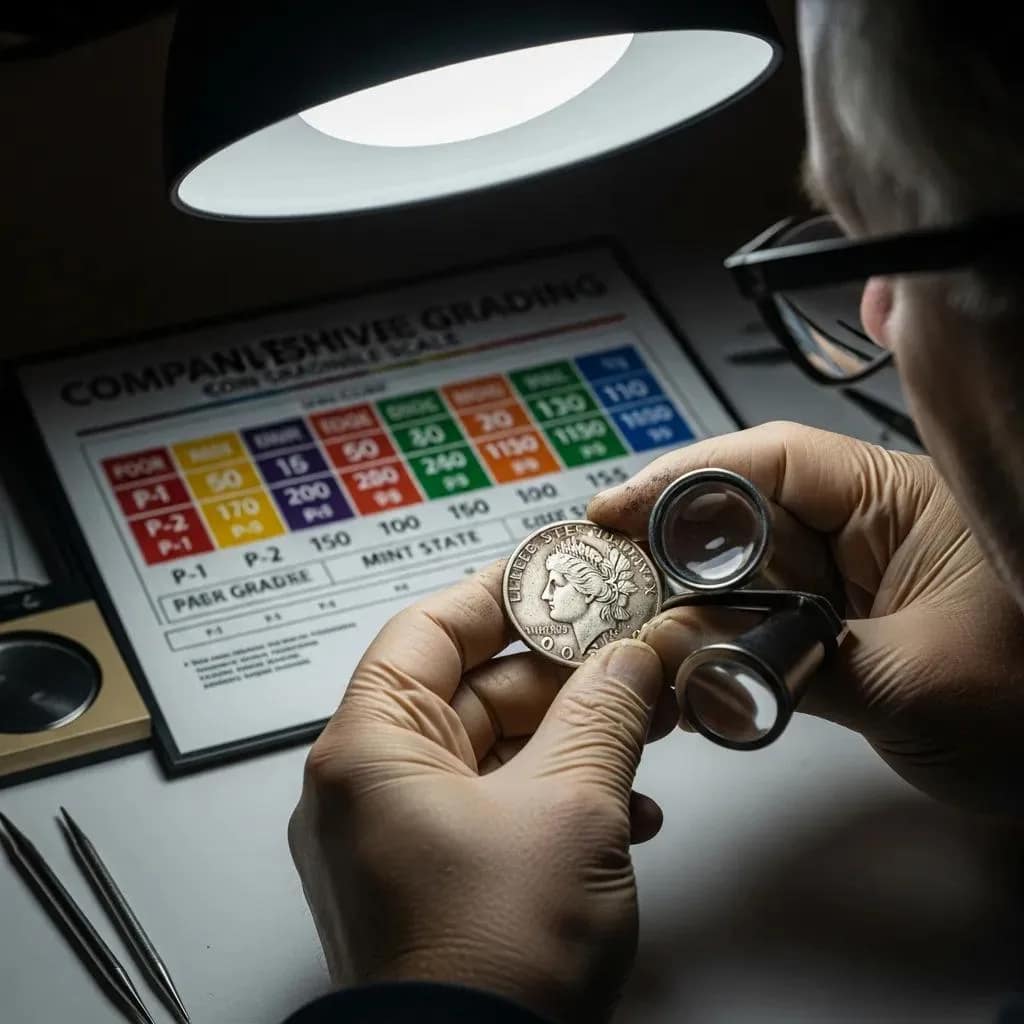
Coin grading is the process of assessing a coin’s condition and assigning it a grade based on established standards. This grading significantly impacts a coin’s market value, as collectors and investors often seek coins in better condition. Understanding the grading scale, which ranges from Poor (P-1) to Perfect Uncirculated (MS-70), is essential for any collector.
The condition of a coin is influenced by factors such as wear, scratches, and overall appearance. Coins that are well-preserved and exhibit minimal wear typically command higher prices in the market. Therefore, learning about coin grading is crucial for making informed buying and selling decisions.
How Are Coins Graded: Understanding Coin Grades and Authentication
Coins are graded based on a combination of factors, including their physical condition, rarity, and demand. The grading process often involves professional authentication, where experts evaluate the coin’s features and assign a grade. Here are some key aspects of coin grading:
- Grading Criteria: Coins are assessed based on their surface quality, luster, and overall eye appeal.
- Resources for Understanding Grades: Many organizations, such as the Professional Coin Grading Service (PCGS), provide guidelines and resources for collectors to understand grading standards.
- Importance of Professional Grading: Having a coin professionally graded can enhance its marketability and value, especially for rare or high-value coins.
Understanding these grading processes will help collectors make informed decisions about their collections.
Why Is Coin Grading Important for Collectors and Investors?
Coin grading plays a vital role in the world of coin collecting and investing. Here are some reasons why grading is essential:
- Impact on Marketability: Graded coins are often more appealing to buyers, as they provide assurance of quality and authenticity.
- Understanding Quality: Grading helps collectors understand the quality of their coins, allowing for better comparisons and evaluations.
- Fair Pricing: Accurate grading ensures that coins are priced fairly based on their condition, which is crucial for both buyers and sellers.
By recognizing the importance of grading, collectors can enhance their investment strategies and make more informed decisions.
Further emphasizing the financial benefits, research highlights the significant investment returns associated with professionally graded rare coins.
Rare Coin Investment Returns & Professional Grading Impact
Investing in rare coins has emerged as a relevant form of alternative investment due to its potential for significant profit growth over time. Lombra (2019) demonstrated that coins in excellent condition have historically delivered impressive average annual returns of 11 percent, outperforming other alternative investments like treasury bonds, gold, and other types of coins during the period 1979–2018. Passy (2022) pointed out the remarkable growth of the numismatic market during the pandemic, with the Professional Coin Grading Services index registering a staggering 6315 percent increase since its inception in 1970, and a 16 percent increase in 2021 alone. Notably, in 2021, the world-record price for a coin was almost doubled when the 1933 Double Eagle gold U.S. coin sold for $18.9 million at Sotheby’s.
Returns from rare coins: a machine learning approach, R Zanola, 2025
How Can I Identify Rare Coins and Assess Their Rarity?
Identifying rare coins requires a combination of research and experience. Here are some effective methods for assessing rarity:
- Visiting Local Shops: Engaging with local coin dealers can provide insights into rare coins and their market demand.
- Consulting Educational Resources: Books and online databases can help you understand which coins are considered rare and why.
- Engaging with Experts: Networking with experienced collectors and numismatists can provide valuable information about rare coins and their characteristics.
By utilizing these methods, collectors can enhance their ability to identify and assess rare coins effectively.
What Are Key Features to Spot Rare and Valuable Coins?
When searching for rare and valuable coins, certain features can help you identify potential treasures. Here are some key characteristics to look for:
- Date of Issue: Coins from specific years may be rarer due to limited mintage or historical significance.
- Mintage of Issue: The total number of coins produced can significantly affect rarity; lower mintage often means higher value.
- Condition or Grade: The overall condition of a coin is crucial; well-preserved coins are typically more valuable.
Understanding these features will aid collectors in spotting valuable coins during their searches.
How Does Year Minted and Market Value Influence Rarity?
The year a coin is minted can greatly influence its rarity and market value. Here are some factors to consider:
- Factors Affecting Rarity: Coins minted during specific historical events or periods may be rarer due to limited production.
- Market Trends: The demand for certain coins can fluctuate based on market trends, affecting their value and rarity.
- Historical Significance: Coins with historical importance often carry a premium, making them more sought after by collectors.
By understanding these dynamics, collectors can make informed decisions about their purchases and sales.
What Are Effective Coin Storage and Preservation Methods?
Proper storage and preservation are essential for maintaining the condition of your coin collection. Here are some effective methods:
- Storage Supplies: Use acid-free holders, albums, or boxes to protect coins from environmental damage.
- Protection from Damage: Avoid handling coins excessively and use gloves when necessary to prevent oils from your skin from causing wear.
- Long-Term Preservation Tips: Store coins in a cool, dry place away from direct sunlight to prevent deterioration.
Implementing these storage methods will help ensure your coins remain in excellent condition for years to come.
How Do I Protect My Coins from Damage and Wear?
Protecting your coins from damage and wear is crucial for maintaining their value. Here are some strategies to consider:
- Handling Techniques: Always handle coins by the edges to minimize contact with the surface.
- Storage Conditions: Keep coins in a stable environment, avoiding humidity and extreme temperatures.
- Cleaning Methods: Avoid cleaning coins with abrasive materials, as this can cause irreversible damage.
By following these protective measures, collectors can preserve the integrity of their coins.
Which Storage Supplies Are Recommended for Beginners?
For beginners, selecting the right storage supplies is essential for protecting and organizing your collection. Here are some recommended options:
- Types of Holders: Consider using coin flips or capsules that provide visibility while protecting coins from scratches.
- Albums for Organization: A coin album can help keep your collection organized and easily accessible.
- Protective Cases: For high-value coins, consider using protective cases that offer additional security against damage.
Choosing the right storage supplies will enhance your collecting experience and ensure your coins remain in excellent condition.
To further enhance your coin collecting journey, consider exploring resources like
for valuable insights and tools.