hat Is Coin Grading and Why Does It Matter for Collectors and Investors?
Coin grading is a systematic process that evaluates the condition and quality of coins, which is crucial for collectors and investors alike. Understanding coin grading helps individuals determine the value of their coins, ensuring they make informed decisions in buying, selling, or trading. This article will delve into the intricacies of coin grading, including the grading scale, the Sheldon scale, and the significance of professional certification. Additionally, we will explore how blockchain technology is revolutionizing the grading process and enhancing the provenance of both numismatic and digital coins.
What Is the Coin Grading Scale and How Does It Work?
The coin grading scale is a standardized system used to assess the quality and condition of coins. This scale ranges from 1 to 70, with higher numbers indicating better quality. The grading process involves examining various factors, including surface quality, luster, and overall appearance. Understanding this scale is essential for collectors and investors as it directly influences a coin’s market value.
For those interested in cryptocurrency trading, platforms like Edgewood Coin provide valuable insights and tools to navigate the evolving landscape of digital assets.
How Are Coins Rated on the Sheldon Scale?
The Sheldon scale is a specific grading system that categorizes coins based on their condition, ranging from Poor (1) to Perfect Uncirculated (70). Each grade on the Sheldon scale has distinct criteria that assess the coin’s features, such as wear, scratches, and overall eye appeal. Coins rated higher on this scale typically command higher prices in the market, making it essential for collectors to understand how ratings are assigned.
What Do Different Coin Conditions Mean for Collectors?
Different coin conditions significantly impact their value and desirability among collectors. Coins can be classified into several categories, including:
- Uncirculated: Coins that have never been used in transactions and retain their original luster.
- Extremely Fine: Coins with minimal wear, showing only slight signs of handling.
- Good: Coins that exhibit considerable wear but still retain identifiable features.
Understanding these classifications helps collectors make informed decisions about their collections and investments.
How Are Coins Graded Step-by-Step for Collectors and Investors?
The coin grading process involves several critical steps that ensure accurate assessments. Here’s a breakdown of the grading process:
- Initial Inspection: Examine the coin under proper lighting to assess its overall condition.
- Surface Analysis: Look for scratches, marks, and other imperfections that may affect the grade.
- Comparison: Compare the coin to established grading standards to determine its grade.
This systematic approach ensures that collectors and investors receive an accurate evaluation of their coins.
Key Steps in Coin Authentication and Evaluation
Authentication is a vital part of the grading process, ensuring that coins are genuine and not counterfeit. Key steps include:
- Visual Inspection: Checking for signs of authenticity, such as mint marks and design details.
- Weight and Measurement: Verifying that the coin’s weight and dimensions match known specifications.
- Professional Certification: Utilizing third-party grading services to confirm the coin’s authenticity and grade.
These steps are crucial for maintaining trust in the numismatic market.
Why Is Professional Certification Important in Coin Grading?
Professional certification plays a significant role in the coin grading process. Certified coins come with a guarantee of authenticity and a specific grade assigned by a reputable grading service. This certification enhances the coin’s marketability and value, as buyers are more likely to invest in coins that have been professionally graded.
Which Coin Grading Companies Provide Trusted Certification Services?
Several reputable companies offer trusted certification services for coin grading. Some of the most recognized include:
- Professional Coin Grading Service (PCGS): Known for its rigorous grading standards and extensive database.
- Numismatic Guaranty Corporation (NGC): Offers comprehensive grading services and educational resources for collectors.
- American Numismatic Association (ANA): Provides resources and support for both novice and experienced collectors.
Choosing a certified grading service is essential for ensuring the integrity of a coin’s value.
What Are the Roles of PCGS and NGC in Numismatic Grading?
PCGS and NGC are two of the leading organizations in the field of numismatic grading. They set the standards for grading practices and provide collectors with reliable assessments of their coins. Both organizations utilize advanced technology and expert knowledge to ensure accurate grading, which is vital for maintaining market trust and value.
How Does Certification Impact Coin Value and Market Trust?
Certification significantly impacts a coin’s value and the trust buyers place in the market. Certified coins typically sell for higher prices than non-certified coins due to the assurance of authenticity and accurate grading. This trust is essential for fostering a healthy marketplace where collectors and investors can confidently buy and sell coins.
How Does Blockchain Technology Enhance Coin Provenance and Grading?
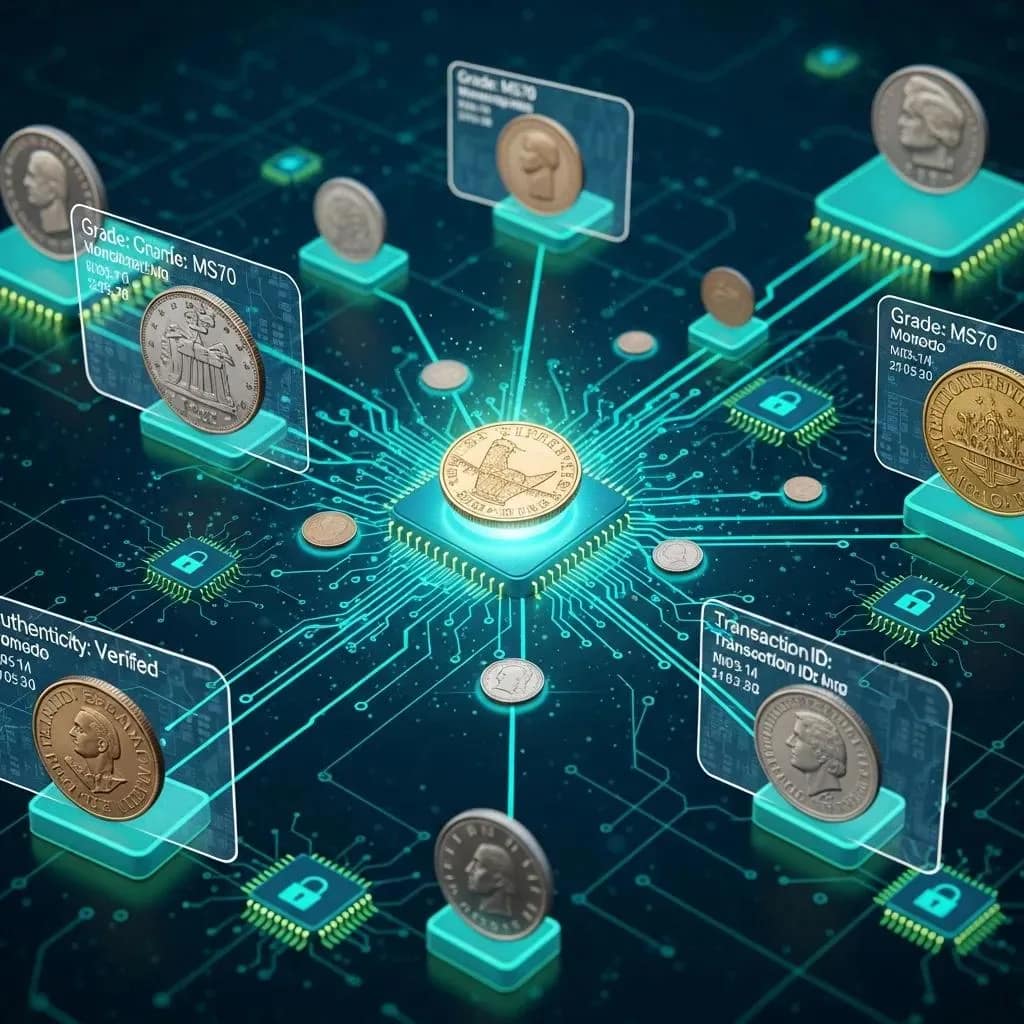
Blockchain technology is transforming the way coin provenance and grading are handled. By providing a secure and transparent ledger, blockchain allows for the tracking of a coin’s history, ensuring its authenticity and ownership. This technology enhances the grading process by providing verifiable data that can be accessed by collectors and investors.
What Is Blockchain Provenance for Numismatic and Digital Coins?
Blockchain provenance refers to the use of blockchain technology to establish the history and authenticity of coins, both numismatic and digital. This system allows for the secure tracking of ownership and grading, providing collectors with confidence in their investments. As the market for digital coins grows, blockchain provenance will become increasingly important in ensuring the integrity of these assets.
How Does Cryptocurrency Coin Grading Relate to Traditional Methods?
Cryptocurrency coin grading shares similarities with traditional coin grading methods, but it also presents unique challenges. While traditional grading focuses on physical attributes, cryptocurrency grading often involves assessing the underlying technology and market factors. Understanding both methods is essential for investors looking to navigate the evolving landscape of digital assets.
Different grading methods for coins can be compared as follows:
| Grading Method | Focus Area | Key Differences |
|---|---|---|
| Traditional Grading | Physical condition | Emphasizes wear and surface quality |
| Cryptocurrency Grading | Technology and market | Focuses on blockchain integrity and market trends |